Unlocking Green Fuel Potential to Accelerate Hong Kong's Low-Carbon Transition
By Alan Chan, Co-Chairman of EcoCeres; James Tam, Co-Chairman of EcoCeres
With the announcement of the 2026/27 Budget imminent, Hong Kong is at a critical juncture in its green transition. As the global competition for green capital and talent intensifies, Hong Kong faces a clear choice: either make bold strides to build a genuine low-carbon industry or risk being left behind as other nations accelerate.
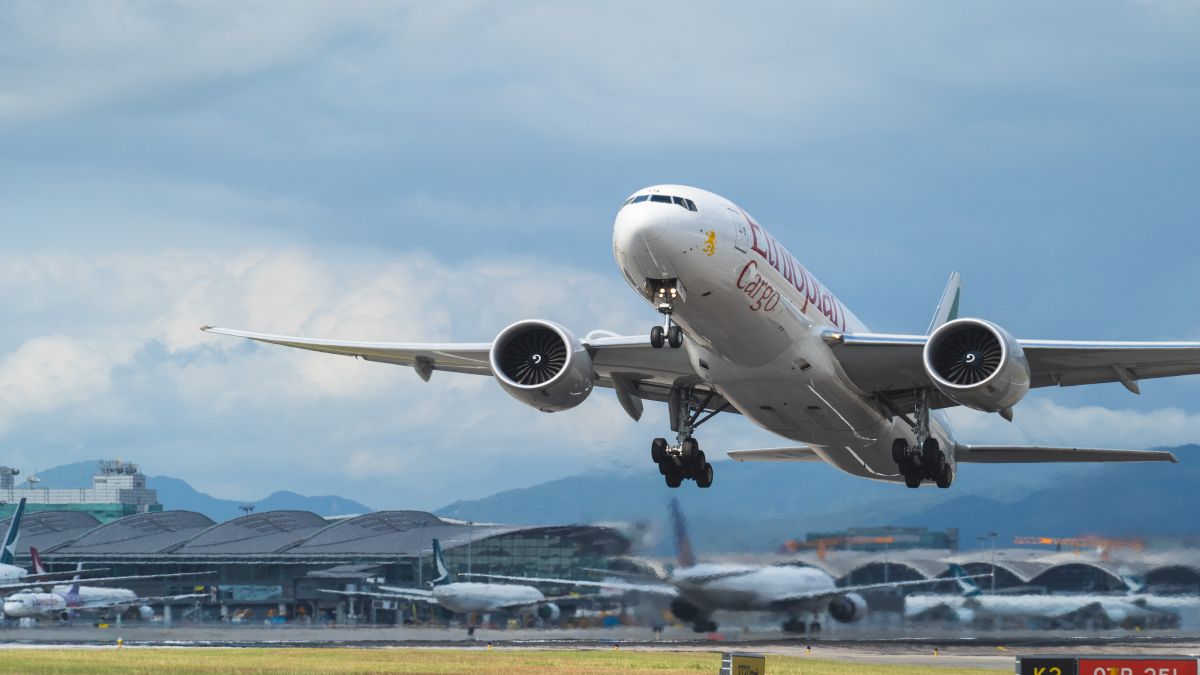
In last year's Policy Address, the SAR government proposed the vision of building a Sustainable Aviation Fuel (SAF) industrial chain. This aligns with the national "dual carbon" strategic direction and follows the global aviation industry's megatrend towards net-zero emissions. SAF and other renewable fuels are not only crucial tools for reducing the carbon footprint of high-emission sectors like aviation but also a practical entry point for Hong Kong to leverage its comparative advantages in finance, logistics, and professional services.
This year's Budget presents a key opportunity to translate this vision from blueprint into action – using fiscal tools to mobilize a complete SAF and renewable fuel value chain encompassing feedstocks, production, infrastructure, finance, talent, and demand.
Attracting Capital to Strengthen the Real Economy
Experience from major economies like Europe shows that policy clarity is often key to attracting capital and growing emerging industries. If Hong Kong can move from the current "pilot project" stage towards a concrete, phased SAF development roadmap, it can gain a first-mover advantage in green aviation policy.
The Budget could consider announcing the formulation and publication of a milestone-based SAF development roadmap within the next year, planning indicative blending targets and timelines while ensuring alignment with Hong Kong's 2050 carbon neutrality goal and its aviation hub positioning. Instead of starting with rigid mandates, the government could begin with voluntary or indicative targets, coupled with guidance for airport fuel suppliers and targeted support for early adopters. This gradual approach would provide clear market direction, build long-term investment confidence, and allow Hong Kong to play a "rule-setting" rather than a "rule-following" role in the region.
As an international financial centre, Hong Kong already has significant advantages in green and sustainable finance. The next step should shift the focus from the "green label" of financial products towards the "effective deployment" of capital into physical decarbonization projects, especially the infrastructure that underpins new industrial capabilities.
The Budget can play a leveraging role here by explicitly identifying SAF and renewable fuels as priority "transition assets." For example, it could consider earmarking a portion of green bond proceeds and resources from the Green and Sustainable Finance Grant Scheme for transition projects, including SAF production, blending, storage, and related logistics facilities – also encompassing cross-border infrastructure with the Greater Bay Area.
Simultaneously, offering tax concessions or accelerated depreciation arrangements for eligible low-carbon fuel projects and related R&D would send a clear signal to international markets: Hong Kong not only welcomes green financial products but also actively encourages the establishment of industrial-scale green physical projects.
A Flagship Opportunity for GBA Cooperation
Building the SAF supply chain also represents a flagship opportunity for regional cooperation. Across Asia, the green fuel supply chain is rapidly taking shape, with several Southeast Asian markets having already launched industrial-scale SAF production facilities. This proves that the complementary model of "Hong Kong decision-making & finance + regional production capacity & resources" is not only feasible but already has the foundation for scaling up.
In this context, Hong Kong is well-positioned to treat SAF as a key demonstration project for Greater Bay Area (GBA) cooperation, rather than just an isolated measure for a single airport. A so-called "GBA SAF Corridor" could involve using incentive measures within the region to promote the standardized collection and treatment of feedstocks like used cooking oil and agricultural residues, coupled with regional processing capacity, and then connecting to the Hong Kong airport fuel system via an efficient logistics network. The Budget could consider establishing a dedicated fund or pilot programme under existing GBA cooperation platforms to test innovative arrangements for cross-border customs clearance, certification mutual recognition, and digital traceability systems for waste feedstocks and finished SAF.
In advancing green transportation, road transport electrification will undoubtedly remain central to Hong Kong's decarbonization roadmap. However, aviation and some heavy transport sectors are still expected to rely on low-carbon liquid fuels for decades to come. A resilient transition plan must address both "electrons" and "molecules."
Concrete Support to Develop Green Tech Hub
The Budget should reflect this reality by establishing "waste-to-energy" as a key pillar of Hong Kong's green transport strategy. Beyond SAF for aviation, it is an opportune time to introduce Hydrogenated Vegetable Oil (HVO) and renewable diesel, incorporating them into Hong Kong's green transition roadmap and clearly defining their eligibility in future incentive schemes for logistics fleets. Considering sustainable fuels alongside electric vehicles and charging infrastructure will make Hong Kong's decarbonization path more comprehensive, its technology options more diverse, and better able to handle future uncertainties.
Hong Kong aspires to become an international "green technology hub." At this stage, the Budget needs to translate this vision into specific, targeted support measures. One promising direction is establishing dedicated funding for SAF and "waste-to-energy" demonstration and pilot projects, such as a SAF trial linked to airport operations or an innovative project converting municipal solid waste to fuel, showcasing Hong Kong's capabilities in technology integration, operations, and policy coordination.
In the early market development stage, SAF still has a cost premium over conventional jet fuel, posing a significant hurdle even for decarbonization-committed airlines and corporate customers. Pragmatic and time-limited public support can play a crucial role in helping early movers share cost risks and solidify long-term demand.
The Budget could consider designing targeted incentives for airlines and major corporate customers choosing to refuel with SAF in Hong Kong, such as rebate schemes, co-funded long-term offtake arrangements, or incorporating SAF usage requirements into government procurement and travel policies. Furthermore, exploring a "green premium sharing" mechanism, where the government covers part of the price difference between SAF and conventional jet fuel, could facilitate larger-scale, longer-term offtake contracts. Such long-term offtake commitments provide the visibility and confidence investors need when deciding to allocate capital to upstream production, infrastructure, and innovation.
Finally, while driving the development of the green fuel industry, Hong Kong must adhere to high standards of sustainability and transparency. The credibility of Hong Kong as a green aviation and fuel hub depends not just on volume but on the "quality" and "authenticity" of its decarbonization achievements.
By embedding these safeguards from the outset, Hong Kong can consolidate its international reputation as a high-integrity green aviation and fuel hub and build a solid, long-term competitive advantage in the global green transition race.
Quick Links
- Home /
- Newsroom /
- Article List
